
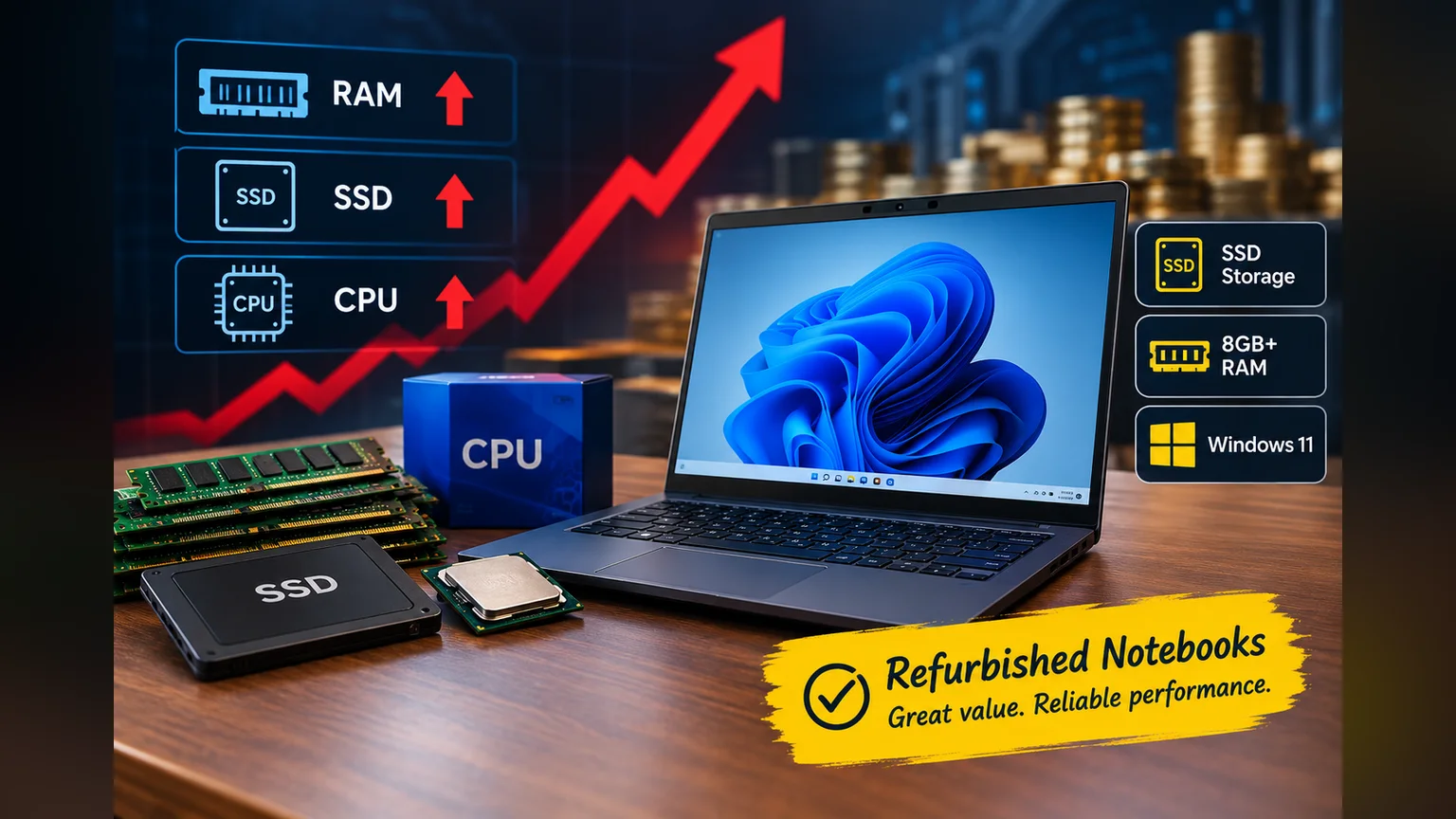
RAM and SSD prices have gone through the roof. Now CPUs are getting more expensive too. If you were waiting for PC hardware to become affordable again, it may be time to rethink your plans.
For years, buying computer hardware followed a familiar pattern. New technology arrived at a premium, prices dropped over time, and waiting a few months often meant more performance for your money.
That pattern broke in 2026.
RAM and solid-state drives have seen enormous increases. Processors are now joining them, and the pressure is landing on ordinary PC budgets. In South Africa, building, upgrading or replacing a computer costs far more than it did a year ago, and there is little sign of a quick return to the prices buyers once treated as normal.
RAM and SSDs: the damage is already done
In August 2026, MyBroadband compared the cost of a mid-range gaming PC against a similar build from the previous year. The total rose from R15,567 to R18,835, about 21% more for the same class of machine.
Individual components show the scale of it. A 16GB DDR4 kit that cost R699 was selling for R2,299, an increase of more than 229%. A comparable 1TB SSD was up by more than 150%.
These are not premium enthusiast parts. They are ordinary components that millions of people rely on for everyday work. Even older DDR4 memory, normally the budget alternative to DDR5, has been caught up in the increases. For anyone who simply wants to add RAM to an existing PC or replace a failing drive, a routine upgrade has become an expensive one.
Why is this happening?
The biggest factor is the build-out of artificial intelligence infrastructure. Large technology companies are spending enormous sums on AI data centres, and those facilities need vast quantities of memory, high-performance storage and specialised computing hardware.
Memory makers are responding by prioritising enterprise and AI products, which leaves less capacity for consumer parts. Expanding semiconductor production takes time and heavy investment, so manufacturers cannot switch on extra capacity overnight.
The result is a supply chain where home PC buyers compete indirectly with the largest and best-funded companies in the world, and those companies can pay a premium to secure what they need.
Now CPU prices are rising, too
Processors offered some relief until recently. RAM and storage became dramatically more expensive, but buyers could still find reasonably priced CPUs for new builds and upgrades. That is changing.
Processor pricing is under pressure, with reports of shortages and higher costs moving through the supply chain. South African retailers and distributors have warned about wider hardware increases.
A CPU is not an optional upgrade for someone building a new PC. You need one, just as you need RAM and storage. When all three rise at once, the total system price climbs with them.
Graphics cards, motherboards, power supplies and other parts add further pressure depending on the build. A budget that bought a capable mid-range computer last year may now buy a more modest one, or you may need to spend considerably more for the same performance and capacity.
South Africa gets hit twice
South African buyers face an extra problem. Most PC components are imported, and local prices reflect more than international manufacturing costs. Exchange rates, shipping, distributor pricing, import costs and local stock all shape what ends up on the shelf.
Retailers may still hold stock bought at older prices. Once that inventory runs out, replacement stock arrives at current costs, and those increases reach the customer.
Price comparisons get harder as a result. A retailer selling an older shipment may offer a much better price than a competitor that has already restocked. That does not automatically mean the expensive retailer is taking advantage. Sometimes the difference comes down to when the stock was bought and what the supplier charges today.
Will prices ever come down?
Some components may get cheaper again. Semiconductor markets are cyclical, capacity can expand, and demand can change.
Stable prices are not the same as prices returning to their old levels, though. Industry forecasts suggest memory and storage pricing will stay under pressure into 2027. TrendForce's September 2026 outlook projected further increases in conventional DRAM and NAND flash contract prices in the fourth quarter of this year.
Slower increases do not guarantee falling retail prices either. AI infrastructure demand is changing the economics of the market, and manufacturers have strong reasons to serve customers who pay more.
Nobody can predict when prices will peak or how far they will fall. Buyers should plan around today's prices rather than assume a better deal is a few months away.
What should you do if you need a PC?
The right response depends on your circumstances, but a few rules hold in most cases.
If your computer still does what you need, keep using it. Do not replace a working machine because a newer model exists. Maintenance, a clean software install and targeted upgrades can extend its useful life. A service and repair visit costs far less than a new system.
If you need an upgrade, find the actual bottleneck. More RAM, a new drive or better cooling may cost much less than a new PC. Check compatibility and current prices before you spend.
If you need a new PC, set a realistic budget. Do not plan around last year's component prices. Compare complete systems as well as individual parts, and consider refurbished business desktops and notebooks where they fit.
Do not buy hardware you do not need because you fear future increases. Shortages and price swings are real, but panic buying leaves people with the wrong components and unnecessary bills.
Businesses should also review replacement schedules and prioritise machines that are unreliable, unsupported or unable to run essential software.
Refurbished notebooks: a smarter way to beat the price hikes
New PC hardware keeps getting more expensive, so refurbished notebooks have become a popular choice at Compourri.
For many people a brand-new computer is not necessary. A good refurbished business notebook handles browsing, office work, online meetings, studying and general home use without a new-machine price tag.
Our refurbished notebooks ship with SSD storage, at least 8GB of RAM and Windows 11. You get responsive storage, enough memory for everyday work and a current operating system without paying premium prices for new hardware.
Business-class notebooks were built for professional use, which shows in the build quality, the keyboards and the connectivity. That makes them a practical option for home users, students and small businesses.
Refurbished machines differ. Specifications, condition and price vary, so choose one that matches what you actually do. If your priority is a capable computer without overspending, a refurbished notebook is worth a look.
Looking for an affordable notebook? Browse the Compourri shop, or send us a WhatsApp message and we will help you match a machine to your budget.
The new normal
The PC market is going through a structural change. AI infrastructure is competing for resources that once served the consumer market, and the effects reach desktops, gaming rigs and business machines.
RAM and SSD prices have already shown how fast the economics of PC building can change. Rising CPU costs add pressure at a time when household budgets have less room.
Prices may stabilise and individual bargains will still appear. But the assumption that computer hardware gets cheaper every year no longer holds.
Budget for today's prices, get more life out of the hardware you own, and stop assuming that waiting six months will save you money. Cheap, steadily improving PC hardware may return one day. Until then, the new normal is a more expensive one.